In today’s digital landscape, email marketing is essential for automotive dealerships aiming to boost sales and build long-term customer relationships. A thoughtfully designed email strategy can significantly enhance a dealership’s performance, providing a direct channel for communicating with both potential and current customers. But with evolving consumer behaviors and increasing digital noise, what strategies are most effective for cutting through the clutter and driving results? This article explores the critical components of a successful email marketing strategy for the automotive industry, offering insights and actionable practices to help your dealership thrive.
Table of contents:
- Understanding automotive emails – Key to dealership success
- Crafting effective car sales email templates
- Mastering car sales email subject lines for higher open rates
- Implementing dealership email marketing best practices
- Leveraging car dealership BDC email templates for lead nurturing
- Measuring success – Key metrics for automotive email marketing
- Future trends in automotive email marketing
Understanding automotive emails – Key to dealership success
Automotive emails are now a vital part of effective dealership marketing. Dealerships can use email campaigns to nurture prospective buyers, increase sales, and build long-term customer loyalty. Here’s why understanding these emails is essential for success:
Email marketing enables dealerships to communicate directly with potential and current customers in a personalized way. By segmenting email lists based on customer data, dealerships can tailor messages to specific groups, addressing their individual needs. This personalization helps build trust and increases engagement. Compared to traditional advertising, email marketing offers a cost-effective way to reach customers. With minimal investment in design and distribution, automotive emails can provide a strong return on investment. This efficiency makes it an attractive channel for dealerships.
Effective automotive emails can also increase organic traffic to a dealership’s website. By including compelling calls to action (CTAs) and links to relevant pages, emails can encourage recipients to explore inventory, schedule test drives, or request quotes. This increased traffic can lead to more qualified prospects for the sales team.
Email automation allows dealerships to create targeted campaigns that guide customers through the various stages of the buying process. From welcome emails for new subscribers to follow-up messages after a test drive, automation ensures timely and relevant communication without requiring constant manual input from the marketing team. This saves time and improves efficiency. Now that we understand the foundational importance of automotive emails, let’s explore how to craft email templates that convert prospects into buyers.
Crafting effective car sales email templates
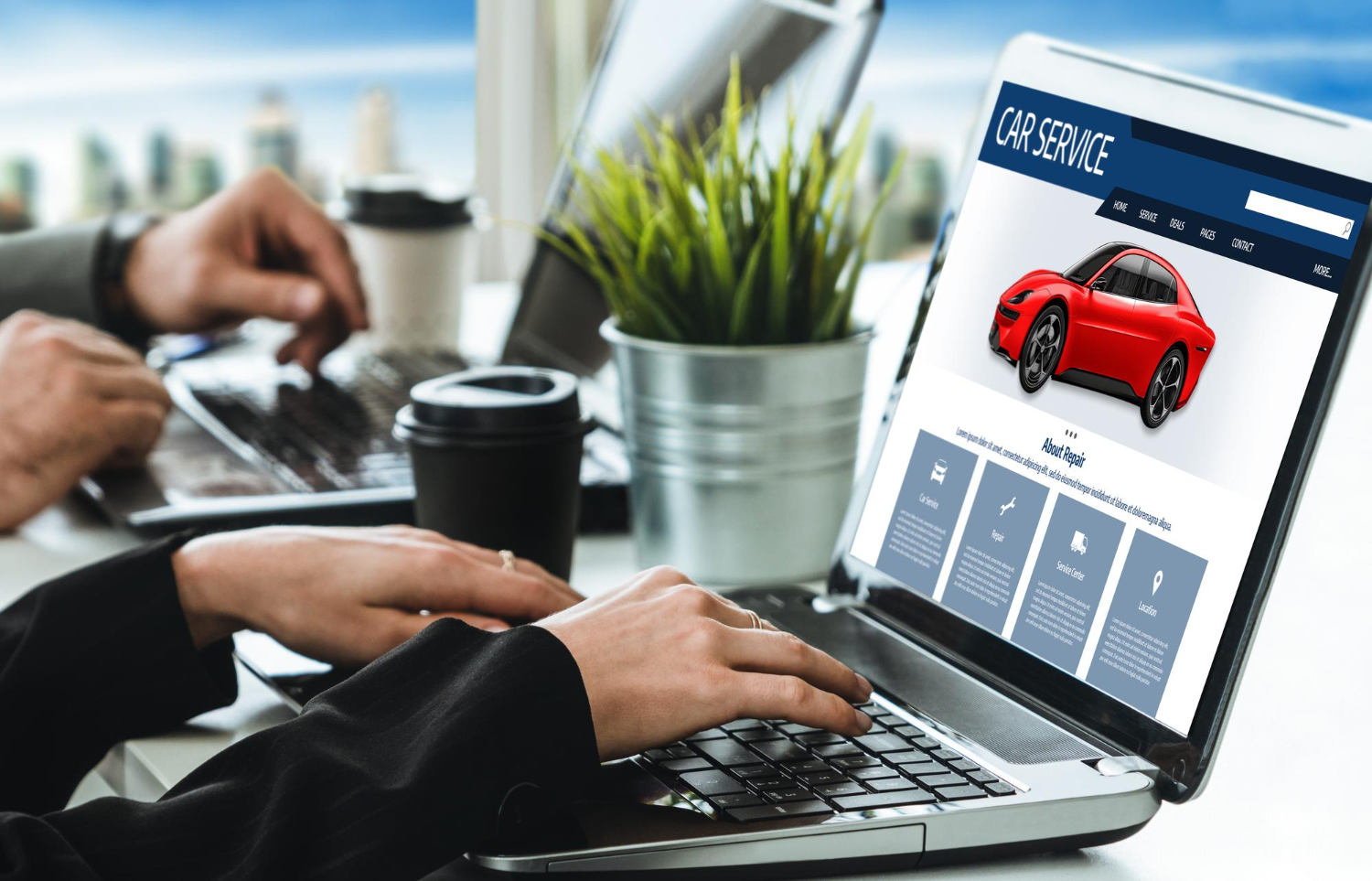
Creating effective car sales email templates is essential for dealerships looking to boost sales and connect with potential customers. Well-crafted emails can significantly enhance a dealership’s ability to nurture leads and drive conversions. When developing these templates, consider these key elements:
- Personalization is paramount – Emails that are personalized tend to have higher open and engagement rates. In your templates, include the recipient’s name, car preferences, and any previous interactions with your dealership. This level of detail shows you understand their specific needs.
- The subject line is your initial opportunity to capture the reader’s interest – Make it short, relevant, and engaging. For instance, “John, the [specific car model] you wanted is here!” or “Exclusive offer on the [car make/model] you asked about” can spark interest and encourage the recipient to open the email.
- Organize your email content so it’s easy to read – Use short paragraphs, bullet points, and headings to break up the text. Highlight important details such as special offers, car features, or limited-time promotions to draw the reader’s attention to key information.
- Include high-quality images or videos of the cars you’re promoting – Visual content can significantly boost engagement and help potential buyers imagine themselves owning the vehicle. Ensure these visuals are optimized for different devices and email clients to maintain a professional look.
- Each template should feature a clear call to action – Whether it’s “Book a test drive,” “See our inventory,” or “Get your exclusive offer,” the CTA should be prominent and clearly indicate the next step you want the reader to take.
With these template elements defined, it’s time to fine-tune your approach to subject lines, maximizing open rates and overall campaign effectiveness.
▶️ Ready to supercharge your dealership’s email marketing?
Book a free 1:1 platform tour and discover how our tools can help you craft high-converting campaigns, automate follow-ups, and turn leads into loyal customers.
👉 Schedule your personalized tour now
Mastering car sales email subject lines for higher open rates
Writing compelling subject lines is essential for maximizing open rates and improving engagement. Here are key strategies to create subject lines that grab attention and encourage recipients to open your emails:
Keep your subject lines short and clear. Aim for 30-50 characters to ensure they display correctly on mobile devices. Be direct about the email’s purpose or offer. For instance:
- “The new [Car Model] is here!”
- “You’re invited for an exclusive test drive”
- “[Name], see your trade-in value”
Create a sense of urgency to encourage immediate action:
- “Sale ends soon on the [Car Model]”
- “Last chance: 0% APR offer ends tonight”
- “Only 3 [Car Model] left – act now!”
Personalize the subject line to make it more relevant to the recipient:
- “[Name], your [Current Car] lease is ending”
- “Exclusive offer for [Car Brand] owners like you”
- “[Name], we’ve found the perfect SUV for you”
Ask engaging questions to spark curiosity and make the recipient want to learn more:
- “Ready for an upgrade, [Name]?”
- “What’s new in the 2025 [Car Model]?”
- “How much can you save on your next car purchase?”
With these subject line strategies in mind, the next step involves implementing dealership email marketing best practices to optimize your campaigns for better results.
Implementing dealership email marketing best practices
To develop an effective email marketing strategy, dealerships should focus on implementing proven best practices. These strategies will help optimize your campaigns and improve results:
- Segment your email list to improve engagement by dividing your subscribers into groups based on criteria like vehicle preferences, purchase history, service history, location, and demographics. Tailoring your emails to these segments allows you to deliver relevant content that resonates with each group’s specific interests.
- Personalize your emails using the data you have on your customers to create tailored experiences – This includes using the recipient’s name, referencing their vehicle, mentioning past services, and recommending relevant vehicles based on their history. Personalization strengthens the connection with your audience and increases engagement.
- Optimize for mobile devices, as many people open emails on their phones – Use a responsive design that adapts to different screen sizes, keep subject lines short (under 50 characters), use larger fonts for readability, and include easily tappable call-to-action buttons.
- Provide valuable content to keep subscribers engaged – This could include vehicle maintenance tips, industry news, exclusive offers, behind-the-scenes dealership content, and customer success stories.
These best practices set the stage for leveraging targeted email templates in your Business Development Center (BDC), driving lead nurturing and ultimately, sales.
Leveraging car dealership BDC email templates for lead nurturing
Effective car dealership BDC email templates are essential for nurturing leads and increasing sales. By using well-crafted emails, dealerships can engage potential customers throughout their buying process and improve conversion rates. Here are key strategies for using email templates in your Business Development Center (BDC):
- Prioritize personalization, as personalized templates improve open rates and engagement – Include the recipient’s name, vehicle preferences, past interactions with your dealership, and local events relevant to them.
- Create a range of targeted templates tailored to different stages of the buying process – These could include welcome emails, follow-ups, vehicle comparison emails, special offers, and post-purchase follow-ups.
- Optimize for mobile devices by using mobile-responsive designs – Use single-column layouts, large call-to-action buttons, short subject lines (under 50 characters), and minimal images to ensure fast loading times.
- Incorporate engaging visuals to enhance your templates – Include high-quality images and videos to showcase vehicles and features. Consider 360-degree tours, comparison charts, customer testimonials, and infographics to highlight key selling points.
With these BDC-specific strategies in place, it’s vital to measure the success of your email campaigns through key performance metrics, enabling continuous optimization.
Measuring success – Key metrics for automotive email marketing
To develop a winning email marketing strategy for the automotive industry, it’s crucial to track and analyze key performance metrics. By monitoring these indicators, dealerships can optimize their emails and improve campaign effectiveness. These are the essential metrics to focus on:
- Open Rate measures the percentage of recipients who open your emails. This shows how effective your subject lines and sender name are. To improve open rates, create compelling subject lines that create urgency or curiosity, personalize subject lines, and test different send times to find when your audience is most responsive.
- Click-Through Rate (CTR) measures the percentage of recipients who click on links in your emails. This indicates how engaging your content is. To boost CTR, use clear calls to action, segment your email list, and include visually appealing images or videos of vehicles.
- Conversion Rate tracks the percentage of recipients who complete a desired action, such as scheduling a test drive or requesting a quote. This metric directly relates to the ROI of your email marketing efforts. To improve conversion rates, create dedicated landing pages for email offers, ensure a seamless user experience, and use urgency to encourage immediate action.
Understanding these metrics helps dealerships adapt to future trends, ensuring their email marketing strategies remain effective and forward-thinking.
Future trends in automotive email marketing
As the automotive industry evolves, so too must email marketing strategies. Here are key future trends shaping automotive emails:
- AI will enable greater personalization by analyzing customer data to create tailored messages based on individual preferences, behaviors, and stage in the buying process. This will boost engagement and conversion rates.
- Future emails will offer more interactive experiences. This may include 360-degree vehicle tours, augmented reality features to visualize vehicles, and interactive configurators for customizing options.
- Dealership marketing will leverage real-time data from connected cars to provide timely communications, such as service reminders based on vehicle usage, personalized offers based on driving patterns, and safety alerts.
By embracing these trends and implementing effective strategies, dealerships can create winning email marketing campaigns that drive engagement, build customer loyalty, and increase sales. In summary, a successful automotive email marketing strategy hinges on personalization, compelling content, and data-driven optimization. Dealerships should focus on creating targeted campaigns, leveraging emerging technologies like AI, and consistently monitoring performance metrics to stay ahead in a competitive market. The future of automotive email marketing is about creating seamless, engaging experiences that resonate with customers on a personal level, ultimately driving sales and fostering long-term relationships.
Photo source: Freepik.com