Email marketing continues to deliver one of the highest returns on investment in digital marketing – averaging $42 for every $1 spent, according to the Data & Marketing Association. But in order to see results, businesses need more than just a list of contacts and a catchy subject line. By following proven email marketing guidelines, you can ensure your campaigns are consistent, effective, and aligned with industry best practices.
This guide outlines the key steps to building an effective email marketing strategy from the ground up – whether you’re starting fresh or optimizing an existing approach. From setting goals and segmenting your audience to choosing the right tools and analyzing performance, each step is designed to help you drive engagement and achieve measurable results.
Table of contents:
- What is an email marketing strategy
- Setting goals for your email marketing campaign
- Identifying and segmenting your target audience
- Crafting compelling email content and design
- Implementing email automation and personalization
- Measuring and analyzing email campaign performance
- Integrating email marketing with other digital channels
What is an email marketing strategy
Before diving into the details, let’s cover the basics. An email marketing strategy is your roadmap for using email to connect with your audience, build relationships, and achieve your business goals. It’s not just about sending out occasional newsletters – it’s about creating a consistent, valuable experience for your subscribers that aligns with your overall marketing objectives. As you develop your strategy, consider these key elements:
- Your goals: What do you want to achieve with your email marketing strategy?
- Your audience: Who are you trying to reach, and what matters to them?
- Your content: What messages will resonate with your subscribers?
- Your schedule: How often will you send emails?
- Your metrics: How will you measure success?
Remember, your email marketing strategy should be flexible. As you learn more about what works for your audience, you’ll want to refine and adjust your approach. Now, let’s move on to setting specific goals for your email marketing campaign. If you’re wondering what is the most effective email marketing strategy, the answer lies in creating a personalized, goal-driven approach that’s based on audience data and continuous optimization.
Setting goals for your email marketing campaign

Now that you understand the basics, it’s time to define the goals that will drive your email marketing campaign forward. Setting clear, strategic goals is one of the most critical steps in building a successful email marketing plan. Without clear objectives, it’s nearly impossible to measure success, optimize performance, or align your email efforts with the broader needs of your business.
Your goals should serve as the foundation for every decision you make – from the type of content you send to how often you deliver it, which tools you use, and how you segment your audience. When your email strategy is anchored in well-defined goals, it becomes easier to stay focused, allocate resources efficiently, and demonstrate the value of email marketing to stakeholders.
Whether you’re aiming to increase sales, boost website traffic, nurture leads, or improve customer retention, your email campaign should support your overall business objectives and contribute to measurable growth.
Apply the SMART framework to your email marketing goals
To ensure your goals are clear and actionable, use the SMART framework – Specific, Measurable, Achievable, Relevant, and Time-bound. Setting SMART goals helps you stay focused, track progress, and evaluate success more accurately. Here are some examples of SMART email marketing goals:
- Increase email-driven sales by 20% in the next quarter
- Grow your subscriber list by 500 new signups per month
- Improve open rates from 18% to 22% over the next six months
Once your goals are set, determine the key performance indicators (KPIs) you’ll use to measure success – like open rate, click-through rate, conversion rate, and unsubscribe rate. With clearly defined goals and KPIs in place, your next step is to identify and segment your target audience effectively.
Identifying and segmenting your target audience

Understanding your audience is crucial for creating email campaigns that truly resonate. The more you know about who you’re speaking to, the more personalized and effective your messages will be.
Start by analyzing your current customer base and building detailed buyer personas. These should include demographic details (such as age, location, gender), behavioral data (such as purchase history or browsing patterns), interests, pain points, and communication preferences. The goal is to map out exactly who you’re trying to reach – and what kind of content will engage them.
But identifying your audience is just the first step. To take your strategy to the next level, you need to build and segment your email list strategically.
Segmenting your email list for maximum impact
Email list segmentation is the process of dividing your subscribers into smaller, targeted groups based on specific criteria. Instead of sending one-size-fits-all messages, segmentation enables you to send highly relevant content – which leads to better performance across every key metric.
You can segment your email list based on:
- Demographics: age, gender, location, etc.
- Behavioral data: purchase history, website activity, past engagement
- Email activity: open rates, clicks, responses, inactivity
- Customer journey stage: new subscribers, active customers, lapsed users, etc.
Implementing smart email segmentation strategies helps you deliver more tailored experiences, which boosts engagement and conversions. In fact, according to a study by Mailchimp, segmented campaigns have a 14.31% higher open rate and a 100.95% higher click rate than non-segmented campaigns.
Grow your email list the right way
Before you can segment effectively, you need to grow your email list with quality contacts. Focus on permission-based strategies that attract genuinely interested users:
- Offer lead magnets like ebooks, checklists, or discount codes
- Add signup forms to your website and blog
- Use pop-ups or slide-ins with clear value propositions
- Promote your newsletter on social media and in blog content
Avoid buying email lists – it can hurt your deliverability and damage your brand’s credibility. Instead, focus on building a list of engaged subscribers who are more likely to convert. With your audience identified, segmented, and growing, you’re now ready to craft personalized content that speaks directly to each group’s needs.
Crafting compelling email content and design
Now comes the creative part – creating your emails! Your content should provide value to your subscribers and align with your brand voice. As part of your strategy, include clear email marketing tactics that align with each stage of your customer journey – from onboarding to retention. Here are some tips for crafting compelling emails:
- Write attention-grabbing subject lines: Keep them short, create curiosity, and avoid spam trigger words.
- Make your content scannable: Use short paragraphs, bullet points, and subheadings.
- Include a clear call-to-action (CTA): Tell your readers exactly what you want them to do next.
- Use visuals wisely: Images can enhance your message, but don’t rely on them entirely.
- Optimize for mobile: With over 50% of emails opened on mobile devices, mobile-friendly design is essential.
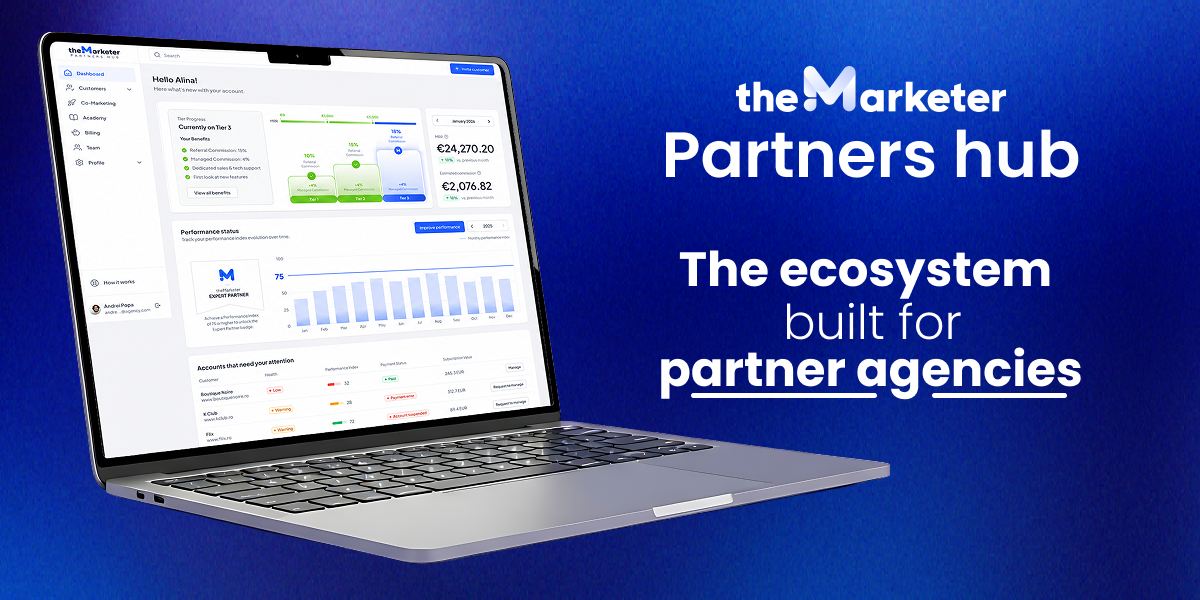
▶️ Turn your strategy into action with templates that work! Planning your email campaigns is just the beginning. Whether you’re creating a welcome email, a promo series, or a re-engagement flow, having proven templates can speed things up and boost results Explore ready-to-use email templates and inspiration from theMarketer and launch with confidence.
Remember, the goal is to create emails that your subscribers look forward to opening. Focus on providing value, whether that’s through educational content, exclusive offers, or entertaining stories. Once you’ve mastered content creation, it’s time to implement automation and personalization to take your strategy to the next level.
Implementing email automation and personalization

Email automation allows you to send targeted emails to subscribers based on specific triggers or time intervals. This can save you time and ensure your subscribers receive timely, relevant content. Some common automated email sequences include welcome series for new subscribers, abandoned cart reminders, post-purchase follow-ups, and re-engagement campaigns for inactive subscribers.
Personalization goes hand-in-hand with automation. By using the data you have about your subscribers, you can create more tailored, relevant emails. This could be as simple as using the subscriber’s name in the subject line, or as complex as recommending products based on past purchase behavior.
According to a study by Experian, personalized emails deliver 6x higher transaction rates. Investing in personalization can significantly boost your email marketing results. As you implement these strategies, it’s crucial to also focus on email deliverability and compliance.
Optimizing email deliverability and compliance
All your hard work crafting great emails won’t matter if they don’t reach your subscribers’ inboxes. That’s why it’s very important to focus on email deliverability. Here are some best practices:
- Use a well-regarded email marketing platform
- Keep your email list clean by regularly removing inactive subscribers
- Use double opt-in to ensure you’re only emailing people who want to hear from you
- Avoid using spam trigger words in your subject lines and content
- Set up authentication protocols like SPF, DKIM, and DMARC
It’s also essential to comply with email marketing laws like CAN-SPAM in the U.S. or GDPR in the EU. Always include an unsubscribe link in your emails and honor unsubscribe requests promptly. With these practices in place, you’ll be ready to measure and analyze your campaign performance.
Measuring and analyzing email campaign performance
To improve your email marketing strategy over time, you need to regularly analyze your performance. Pay attention to key metrics like open rate, click-through rate (CTR), conversion rate, bounce rate, and unsubscribe rate.
Most email marketing platforms provide detailed analytics. Use these insights to understand what’s working well and what needs improvement in your campaigns. This data-driven approach will help you make informed decisions about your email campaign strategy.
For example, if you notice a low open rate, you might need to work on your subject lines. If your click-through rate is low, you might need to improve your content or calls-to-action. Remember, these metrics are not just numbers – they’re insights into how your audience is interacting with your emails. Use them to guide your continuous improvement efforts.
▶️ Ready to track the results of your email strategy? A successful email marketing strategy doesn’t end at hitting “send.” The real power comes from understanding what works – and what doesn’t. With theMarketer’s Reporting & Analytics tools, you get in-depth insights into open rates, click-throughs, conversions, and more – all in one intuitive dashboard. Explore Reporting & Analytics by theMarketer and start turning data into smarter email decisions!
Continuous improvement – A/B testing and refining your strategy
Email marketing is not a “set it and forget it” activity. To get the best results, you should continually test and refine your approach. A/B testing is a powerful tool for this. You can test elements like subject lines, email copy, call-to-action buttons, send times, and email design.
Run tests regularly and use the results to inform your future campaigns. Remember, what works for one audience might not work for another, so it’s important to base your decisions on your own data. For instance, you might test two different subject lines to see which one gets a higher open rate. Or you could test different types of content to see what drives more engagement. The key is to make data-driven decisions and continuously optimize your strategy based on what you learn. As you refine your email marketing, consider how it fits into your broader digital marketing efforts.
Integrating email marketing with other digital channels

While email is powerful on its own, it becomes even more effective when integrated with other marketing channels. Here are some ways to create a cohesive multi-channel strategy:
- Use social media to grow your email list
- Retarget email subscribers with social media ads
- Use email to drive traffic to your blog or website content
- Coordinate your email campaigns with your overall content marketing strategy
By creating a seamless experience across channels, you can reinforce your message and provide more value to your audience. For example, you might use email to promote a new blog post, then share that post on social media and use it as the basis for a targeted ad campaign. This integrated approach helps you reach your audience where they are and reinforces your message across multiple touchpoints.
Creating an effective email marketing strategy takes time and effort, but the results are worth it. By following the steps outlined in this guide, you’ll be well on your way to developing a strategy that engages your audience and drives results for your business.
Remember, the key to success in email marketing is to always put your subscribers first. Focus on providing value, respect their preferences, and continually refine your approach based on their feedback and behavior.
As you implement your strategy, don’t be afraid to experiment and learn from both your successes and failures. Email marketing is an ongoing process of learning and optimization. With persistence and a data-driven approach, you’ll be able to create email campaigns that your subscribers look forward to receiving and that drive real results for your business.
Photo sources: Freepik.com
References
- Data & Marketing Association. (2019). Marketer email tracker 2019. https://dma.org.uk/
- Mailchimp. (2019). Effects of List Segmentation on Email Marketing Stats. https://mailchimp.com/
- Experian. (2013). 2013 Email Market Study. https://www.experian.com/
- Campaign Monitor. (2019). Ultimate Email Marketing Benchmarks for 2020: By Industry and Day. https://www.campaignmonitor.com/
- HubSpot. (2020). The Ultimate List of Email Marketing Stats for 2020. https://www.hubspot.com/
Frequently Asked Questions (FAQ)
What is the most effective email marketing strategy?
The most effective email marketing strategy is one that aligns with your business goals, is backed by audience data, and evolves through testing. A mix of segmentation, automation, personalized content, and consistent performance tracking is key to driving results.
How do I start developing an email marketing strategy?
Start by defining your goals, understanding your audience, and choosing the right tools. From there, create a content plan, set up automation, and use metrics to optimize your campaigns. Using an email marketing planning template can simplify the process.
What are SMART goals in email marketing?
SMART goals are Specific, Measurable, Achievable, Relevant, and Time-bound objectives that guide your campaigns. For example, “Increase newsletter open rate from 18% to 22% over the next 3 months” is a SMART goal.
What are some essential email marketing tactics for beginners?
Essential email marketing tactics include building a clean and permission-based email list, segmenting your audience, crafting compelling subject lines, and using automation for welcome and follow-up emails. Testing and analyzing your results regularly is also key to long-term success.