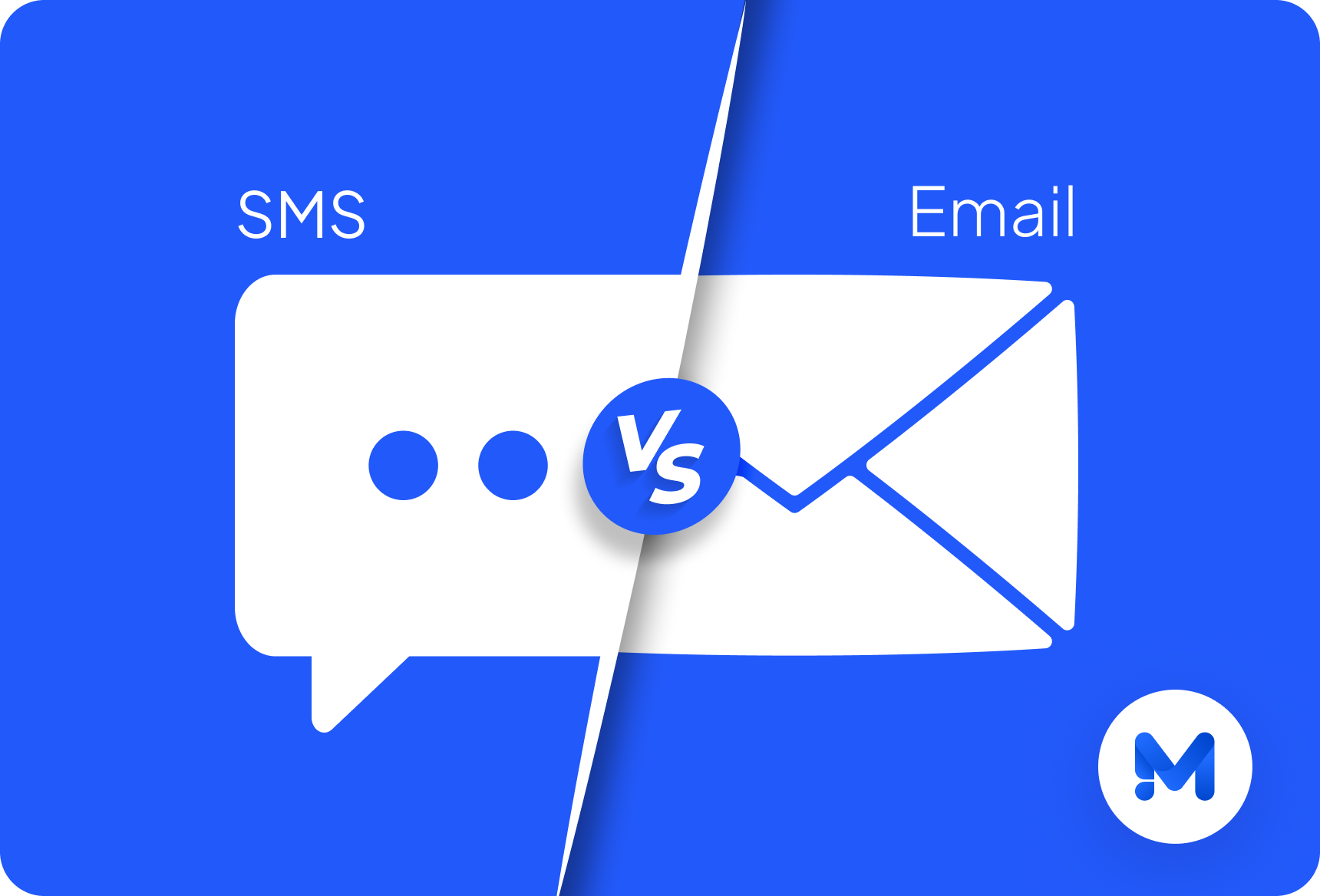
You’ve got two incredibly powerful direct lines to your audience: their inbox and their text message app. In a world of limited resources and shrinking attention spans, the question for every modern marketer is, which one should you focus on? It’s a constant dilemma, pitting the undisputed reach of email against the undeniable immediacy of SMS.
But what if we’re asking the wrong question?
The debate shouldn’t be “which one is better?” but rather, “which is the right tool for the right job?” The smartest marketers know it’s not a battle. It’s a partnership.
This article will break down the strategic differences between SMS and email marketing. You won’t just get a list of stats; you’ll get a clear framework for deciding which channel to use for your specific goals and, most importantly, how to create a powerful email and text message marketing strategy that gets real results.
Table of contents:
- How do SMS and email actually compare?
- When should you use email marketing?
- When is text message marketing the better choice?
- Why choose? How can you make SMS and email work together?
How do SMS and email actually compare?
To make a strategic choice, you first need to understand the fundamental differences in how these channels perform. This isn’t about personal preference; it’s about pure data. Here’s a quick, head-to-head comparison.
| Metric | SMS Marketing | Email Marketing | Key Takeaway |
| Open rate | An astonishing ~98% | A solid ~21% | SMS is virtually guaranteed to be seen. |
| Response rate | A conversational ~45% | A standard ~6% | SMS excels at starting a two-way dialogue. |
| Click-through rate | A high-impact ~19% | A steady ~2.5% | Links sent via text command immediate attention. |
| Content format | Short, concise (160 characters) | Long-form, rich media | Email is built for depth, branding, and storytelling. |
| Cost | Per-message pricing | Per-subscriber/volume pricing | SMS can be more expensive at scale but offers high ROI. |
| Regulation | Highly regulated (TCPA in the US) | Regulated (CAN-SPAM in the US) | SMS requires explicit, separate consent. |
What the numbers really mean
The story behind these stats is simple: context is everything. An SMS message feels personal, urgent, and important. It’s a space usually reserved for friends and family, which is why it commands such high engagement. Email, on the other hand, is the professional’s home turf. It’s where we expect to receive detailed email promotions, company updates, and valuable content we can digest on our own time. One is a quick conversation; the other is a detailed letter.
When should you use email marketing?
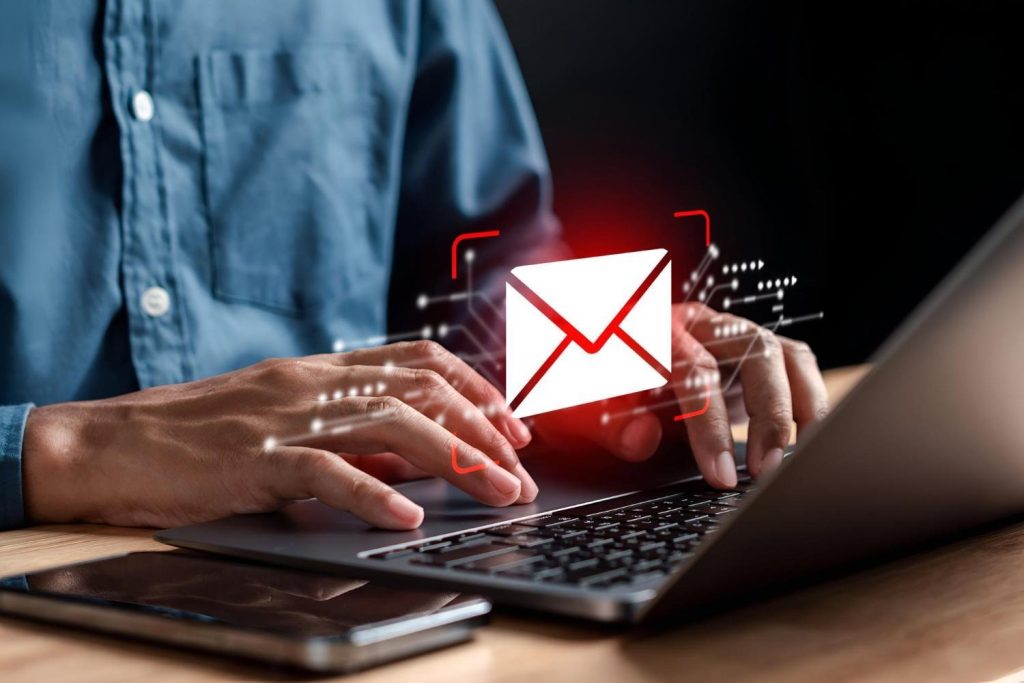
Email is, and will continue to be, the cornerstone of digital marketing. It is the workhorse channel for building deep, lasting relationships with your audience and nurturing them from casual subscribers into loyal customers.
Building and nurturing customer relationships
This is where email is the undisputed champion. A well-planned email marketing strategy is the best way to guide a new lead through their customer journey. It’s perfect for:
- Welcome series: Introduce your brand and set expectations.
- Onboarding sequences: Help new customers get the most out of their purchase.
- Educational content: Share blog posts, guides, and webinars that establish your authority.
Delivering rich, detailed content
If your message can’t be condensed into a tweet, it belongs in an email. Email gives you the canvas you need to tell a compelling story, showcase your brand’s personality, and deliver significant value. It’s the ideal choice for:
- Weekly newsletters: Share company news, insights, and curated content.
- Blog roundups: Drive traffic back to your website.
- Case studies and reports: Provide in-depth information that nurtures leads.
Driving sales with in-depth promotions
When you need visuals, detailed descriptions, and multiple calls to action, email is your best bet. Email campaigns allow you to create beautiful, branded experiences that guide a customer’s purchase decision, showcasing everything from new product collections to seasonal sales.
When is text message marketing the better choice?
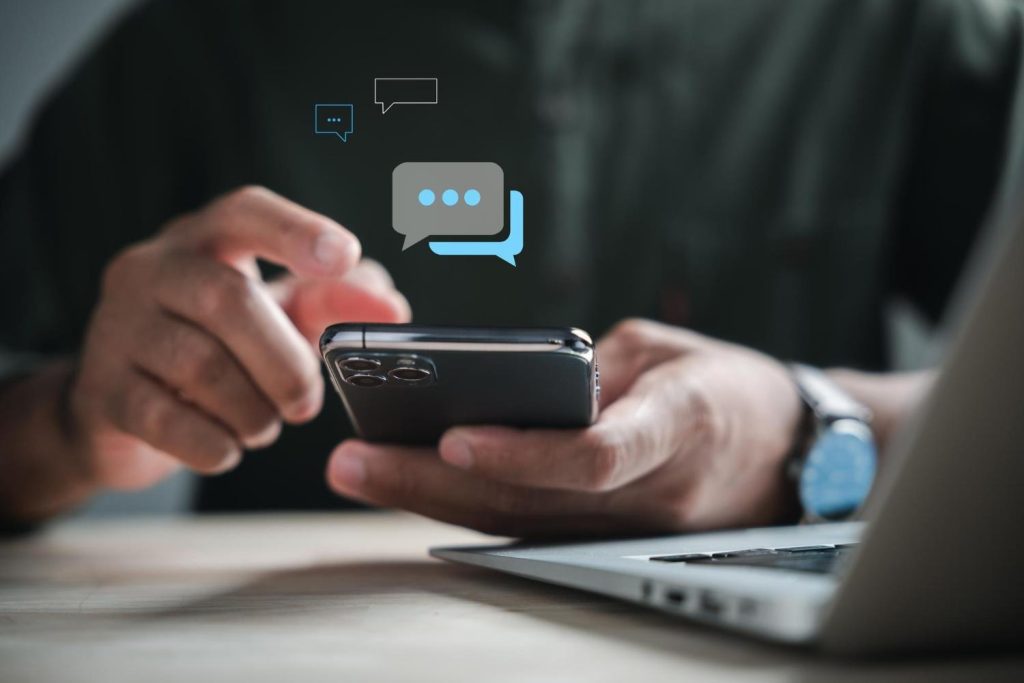
If email is the workhorse, SMS marketing is the racehorse. It’s built for speed, urgency, and driving immediate action. When a message absolutely, positively has to be seen right now, you turn to text.
Time-sensitive alerts and reminders
This is the primary use case for SMS. Its near-perfect open rate makes it unbeatable for communications that lose their value after a short period. Think of it as your direct line for:
- Flash sales: “Heads up! Our 2-hour flash sale starts NOW!”
- Appointment reminders: “Your appointment with us is tomorrow at 10 AM.”
- Shipping notifications: “Great news! Your order has just been shipped.”
- Event alerts: “We’re live in 5! Here’s the link to join the webinar.”
▶️Ready to see what SMS marketing can do for you?
Knowing the strategy is the first step. The next is having the power to send messages that get opened and clicked. Explore our features for sending high-impact SMS messages.
Driving immediate action and engagement
The conversational nature of text makes it ideal for engagement. Because people can reply instantly, text message marketing campaigns are incredibly effective for:
- Quick polls: “Which new flavor are you most excited for? Reply A for Cherry or B for Lime.”
- Customer service: “Did you find everything you were looking for today? Reply YES or NO.”
- Two-factor authentication: Securely confirm a user’s identity.
Exclusive offers for VIP customers
A text message feels personal and exclusive. This makes it the perfect channel for rewarding your most loyal customers with special offers they won’t find anywhere else, fostering a powerful sense of community.
Why choose? How can you make SMS and email work together?
Here is the secret the best marketers know: the goal isn’t to choose between SMS and email. It’s to make them work in perfect harmony. By using the strengths of each channel to support the other, you create a seamless and far more effective customer experience.
How a simple cross-channel campaign works
Let’s say you’re running a week-long promotion. Instead of relying on one channel, you can build a simple, automated journey:
- Email first: Announce the sale with a beautiful, detailed email campaign on Monday, showcasing your products and the value of the offer.
- SMS follow-up: On Friday morning—the final day of the sale—send a short, urgent text message to your subscribers: “Last chance! Our 30% off sale ends at midnight. Don’t miss out! Shop now: [link]”
This one-two punch uses email to inform and inspire, and SMS to create urgency and drive the final conversion.
Can you use one channel to grow the other?
Absolutely. Encourage your subscribers to engage on the channel they prefer.
- Email to SMS: Add a clear call to action in your newsletters: “Want to be the first to know about flash sales? Sign up for our SMS alerts!”
- SMS to Email: Use “Text-to-Join” campaigns at live events or in-store: “Text JOIN to 55555 to sign up for our weekly newsletter and get 10% off today.”
What should you look for in a marketing platform?
To execute this strategy effectively, you need the right tools. Look for an sms and email marketing platform that allows you to manage both channels from a single dashboard. This integration is crucial for seeing a complete picture of your customer’s engagement and building sophisticated, automated campaigns.
How do you choose the right channel for your next campaign?
Feeling clear on the strategy but not sure where to start? Before you launch your next message, run through this simple decision framework.
- What’s your primary goal?
- If it’s to build a relationship, educate, or provide detailed information, start with email.
- If it’s to drive an immediate sale, get a quick response, or create urgency, use SMS.
- How fast do you need a response?
- If the information is still valuable in 24 hours, email is perfect.
- If it needs to be seen within the next 5 minutes, SMS is the only choice.
- What kind of content are you sending?
- If it’s short, punchy, and has a single, clear call to action, it’s great for SMS.
- If it requires branding, multiple images, and detailed copy, it belongs in an email.
The “text message marketing vs. email” debate is officially over. The real winner is the savvy marketer who understands how to use both.
These two channels were never meant to be competitors. They are partners in a modern communication strategy. Email is your tool for building the relationship—it’s where you deliver value, tell your brand’s story, and nurture loyalty. SMS is your tool for driving action in the moment—it’s how you create urgency, grab attention, and close the deal.
So take a look at your marketing calendar. Find one upcoming campaign where you can use both. Send the email, and then, at just the right moment, send the text. You won’t just see better results; you’ll be building a smarter, more effective marketing machine.
Photo source: Freepik.com
Frequently asked questions (FAQs)
Can I text someone who is already on my email list?
No, not without their separate, explicit permission. Regulations like the TCPA (Telephone Consumer Protection Act) are much stricter for SMS than for email. You must get specific consent for text message marketing, even if a user has already opted into your email list. The best practice is to have a separate checkbox on your sign-up forms that clearly says, “I would like to receive marketing text messages.”
How often should I send marketing text messages?
Because SMS is such a personal and immediate channel, the golden rule is “less is more.” Sending too many texts is the fastest way to get an unsubscribe. A good starting point is 1-4 messages per month. Reserve texts for your most urgent, high-value communications like flash sale alerts or event reminders, and use email for your more frequent, content-rich newsletters.
Is SMS marketing more expensive than email marketing?
On a per-message basis, yes. Most SMS platforms charge a small fee for every text you send, whereas many email platforms offer plans based on the number of subscribers, allowing for unlimited sends. However, the question should be about ROI (Return on Investment). Given its incredibly high open and engagement rates, a well-targeted SMS campaign can often generate a significantly higher ROI than an email campaign, making the cost worthwhile for the right kind of message.
If I’m a new business, should I start with email or SMS?
For almost every new business, the answer is email. Email marketing is the foundational channel for building a long-term relationship with your audience. It allows you to introduce your brand, provide value through content, and nurture leads at a low cost. Once you have built a solid email list and established that relationship, you can then introduce SMS as a powerful, high-impact channel for your most engaged subscribers.